


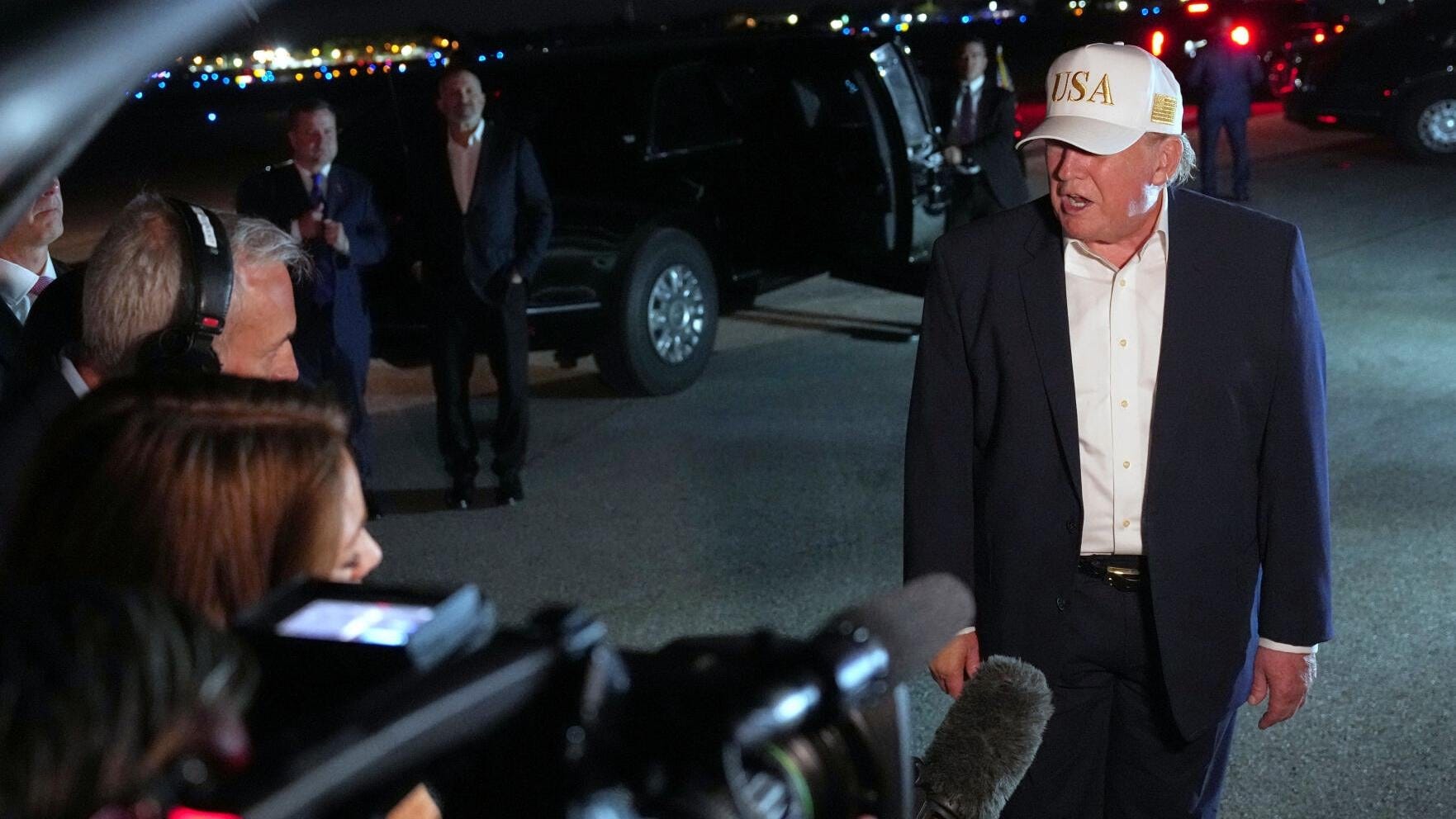
Six days ago, Donald Trump said he would accept the midterm results. On Monday morning, he decided he wouldn’t. The Republican president went on Truth Social, asked whether anybody really believes the election was honest, and ended with a line that says the quiet part out loud: “It’s all about the machines, which are far more important than the voter!”
The Post
Trump posted at 10:07 a.m. Monday. He asked how the polls could be so wrong. He claimed some early voting “dumps” were so large that Republicans could not win no matter how many people showed up.
Then he blamed the machines. He offered no evidence. He named no state, no county, no machine. He did not elaborate when the post went up, and election officials nationwide have described this year’s voting as largely routine.
Later that day, reporters asked him directly if the midterms were rigged. He did not say yes. He complained that the early vote numbers were terrible for Republicans, then changed the subject.
“Absolutely Willing”
On election night, as the blue wave rolled in, Trump called The New York Times. Asked if he would accept the results, he said “I am absolutely willing to accept those results.” He said he looked forward to working with Democrats.
He went further on a call with Fox News. “Congratulations to the Democrats,” he said, adding that they fought hard. On 60 Minutes Sunday night, he blamed the losses on the Iran war, high gas prices and weak Republican candidates.
Not one word about machines. Not one word about dumps. That story only showed up after the blame game stopped working.
What the “Dumps” Really Were
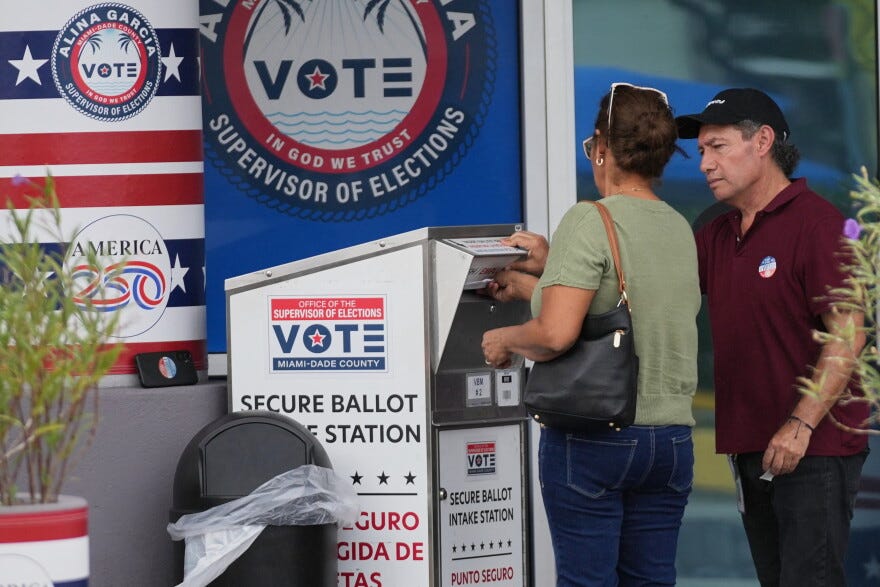
Trump’s “dumps” are not a conspiracy. In several Senate races that were supposed to be close, Democrats had enough votes to win before polls even opened on Election Day because so many voters turned out early.
Early votes get counted in big batches. When a lot of people vote early and most of them vote one way, the batch is big and lopsided. That is not fraud. That is what losing badly looks like.
Nevada’s Secretary of State Cisco Aguilar put it plainly to NBC: “The systems worked.” He called the vote a massive rebuke of Trump’s leadership.
The Polls Weren’t Wrong
Trump asked how the polls could be so wrong. They weren’t. Most polls predicted a big Democratic night, including in Texas, where they showed Democrat James Talarico beating Republican Ken Paxton for Senate.
Nate Silver gave Democrats a 96% chance of winning the House and an 80% chance of taking the Senate. Democrats won both.
The polls called it. The voters delivered it. The only thing that missed was the Republican Party.
Even His Own Side Said Stop
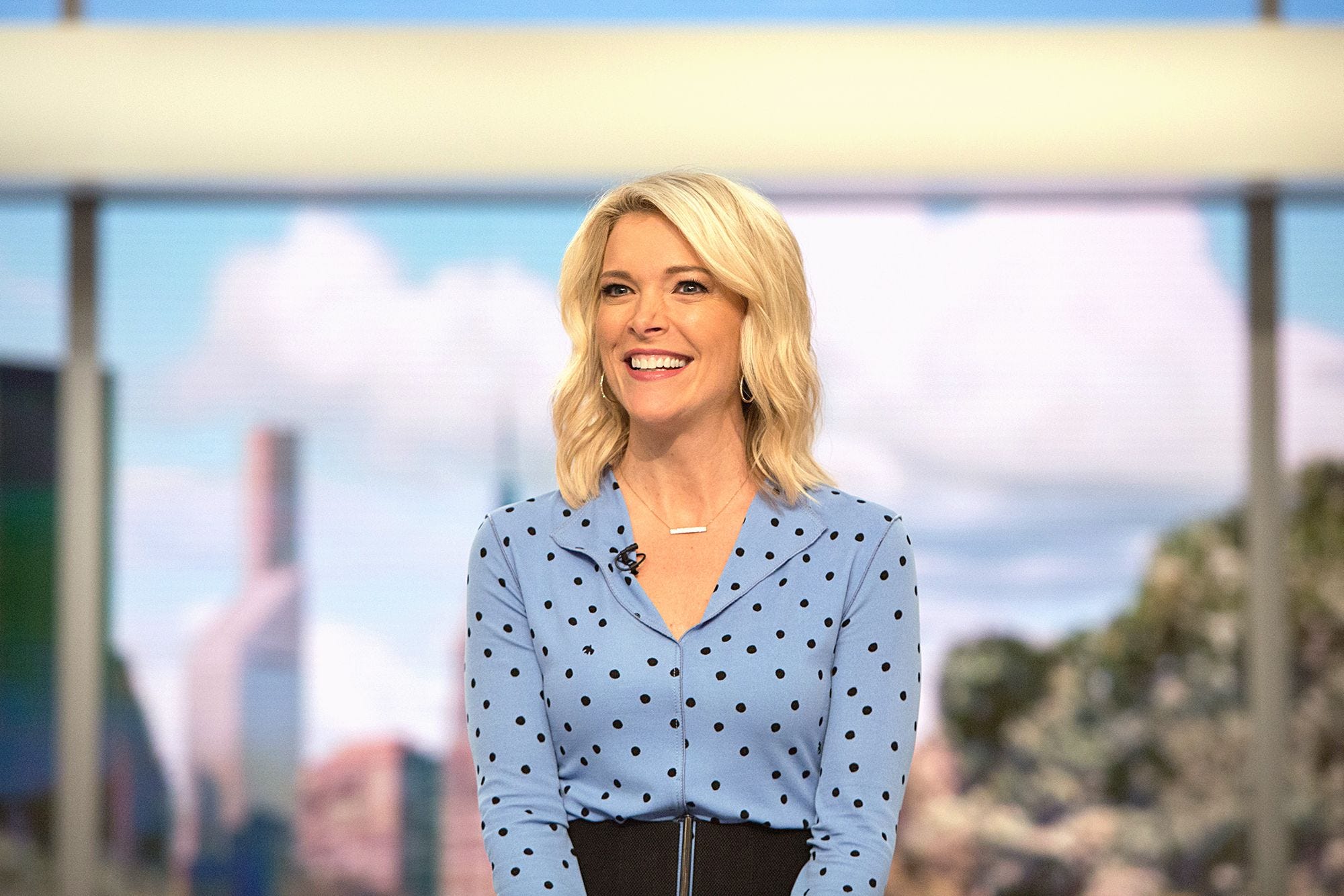
This time the pushback came from the right too. Megyn Kelly reposted Trump’s claim with two words: “Just stop.” Alyssa Farah Griffin, who worked in Trump’s first White House, mocked the post too.
CNN’s Jake Tapper pointed at Texas. Republicans run that state top to bottom, and Republicans still lost there. So who rigged it? Abbott? Paxton?
Asked about the post, a White House official told NBC that Trump had always said he would respect the results if the elections were honest. In other words, the escape hatch was built in from the start.
The Same Old Playbook
Trump has run this play before. He claimed fraud after losing the 2016 Iowa caucuses. He claimed fraud after winning in 2016 despite losing the popular vote by almost 3 million. He claimed fraud in 2020, and it ended with a mob in the Capitol.
The shift this time came right after he replaced chief of staff Susie Wiles with MAGA favorite Stephen Miller on Saturday. Before the election, his Justice Department had already sent legal letters to Democratic-led states raising the specter of noncitizen voting and fraud.
There is still no evidence of widespread problems. There were a handful of localized machine issues, handled with backup plans. That’s it.
The Bottom Line
Republicans lost the House and the Senate because voters rejected them. Trump admitted as much on election night and again on 60 Minutes. Now, with nobody left to blame, he’s back to blaming the machines and telling America exactly what he thinks of them: the machine matters more than the voter. Voters disagreed. Loudly.
Sources: NBC News (Dareh Gregorian, Jane Lytvynenko, David Ingram), The New York Times via Bangkok Post, Democracy Docket, Poynter (Tom Jones), TheWrap (Alex Welch), Common Dreams, and Trump’s Truth Social post.