


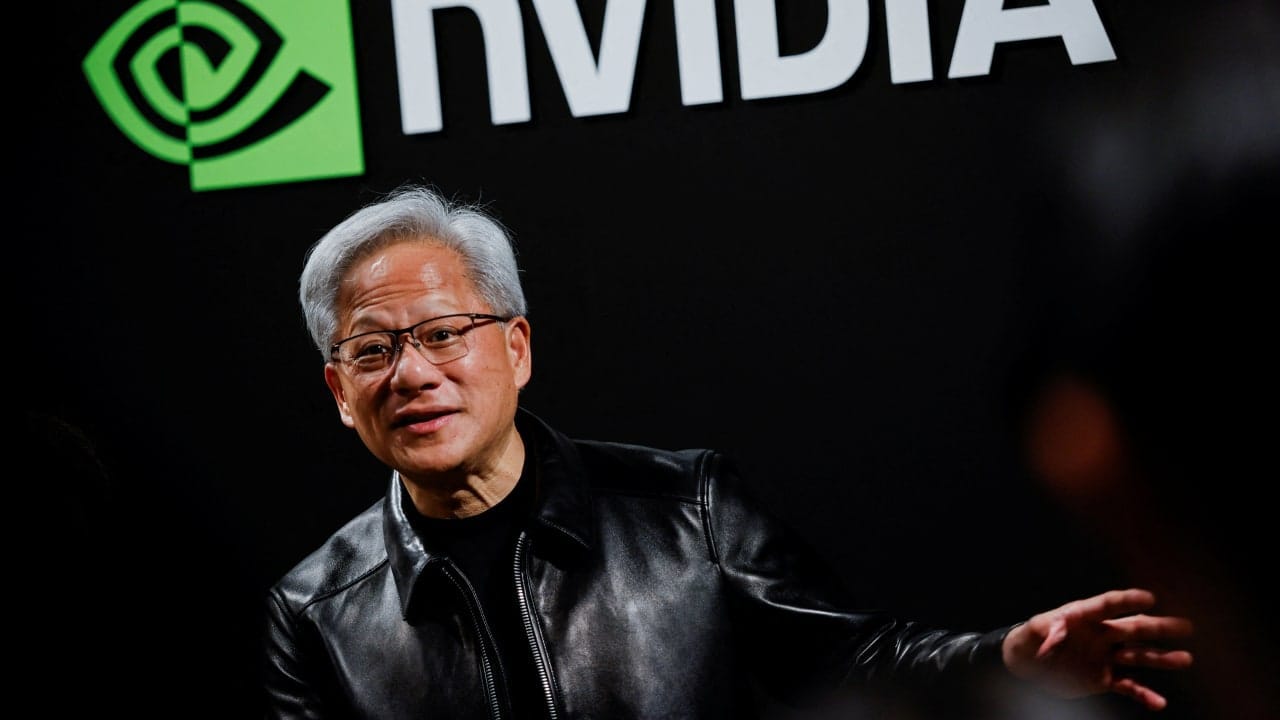
Nvidia CEO Jensen Huang resigned on Thursday after reports that he had an affair with a suspected Chinese spy. Now the scandal is landing on Trump’s desk. The president was reportedly briefed on the spy concerns in the fall of 2025. Two months later, he let Nvidia sell advanced AI chips to China, and took a cut.
The CEO Is Out
Nvidia’s board accepted Huang’s resignation as CEO, president and board member, effective immediately. CFO Colette Kress is now interim CEO, and the company named its first-ever chairman. Nvidia shares plunged as much as 16% after the announcement before closing down 4.3%.
The woman at the center of it is Alice Huang, an executive at Megaspeed, a Singapore-based Nvidia customer. U.S. officials suspect Megaspeed of helping route advanced Nvidia chips into China. Huang has since also been accused of affairs with Nvidia employees.
What Trump Knew
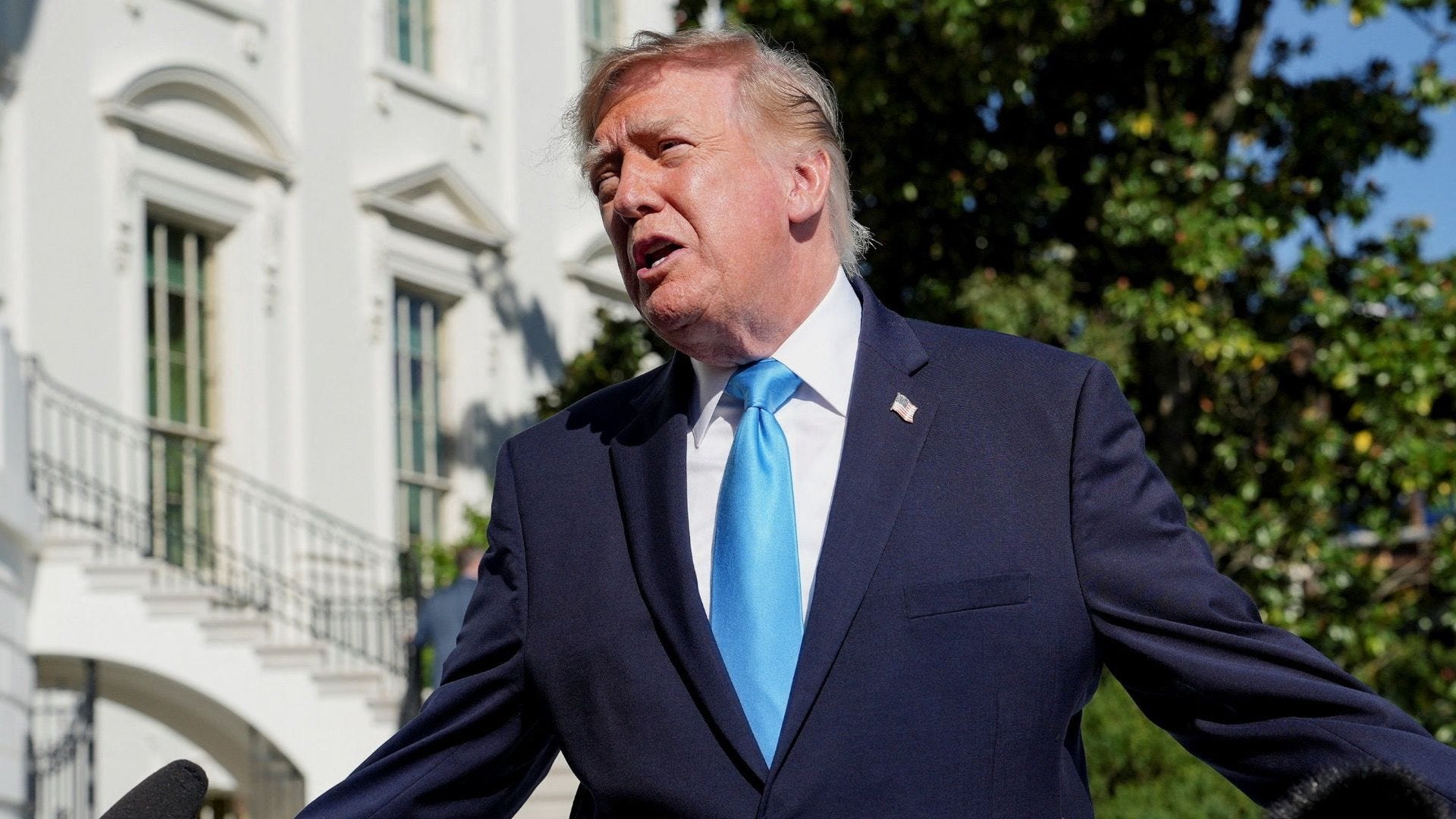
The New York Times reported on Oct. 29 that American officials had concluded Alice Huang was a Chinese intelligence asset funneling information to Beijing. According to the Times, Trump was briefed in October 2025 but chose not to act. Secretary of State Marco Rubio oversaw a classified memo on the concerns this spring.
The Times also reported that Trump was briefed again aboard Air Force One in May, on his way to Beijing. Huang was traveling with him on that trip.
Then He Opened the Door to China
In December 2025, Trump gave Nvidia permission to sell its advanced H200 AI chips to Chinese companies. Here is how it worked, according to a letter from Sen. Ron Wyden and Rep. Richard Neal. The chips, made in Taiwan, are shipped to the U.S. first. Trump slaps a 25% tariff on them there, using a law meant to protect national security. Then Commerce grants a license to send them on to China.
Wyden and Neal call it “an unconstitutional export tax system.” In plain English, the government takes a cut of every sale to China. And the letter says Commerce approved sales to Chinese buyers with government and military ties, including front companies with no physical presence at their listed addresses.
$26 Million for Trump’s Pet Projects
Before that approval, Nvidia had committed at least $26 million to Trump’s priorities. That includes $25 million for his White House ballroom and $1 million to his inaugural fund. According to documents obtained by The Washington Post, Nvidia first tried to keep its ballroom donation anonymous.
Huang went from a near stranger to Trump to a regular passenger on Air Force One. Wyden and Neal point out that the chip approval came after that money moved, and they want to know whether politics drove the decision.
A Chip Probe That Went Away
The Commerce Department was investigating Megaspeed itself until August 2025. Then, the Times reported, the probe was abruptly transferred to the Justice Department after outreach from Nvidia’s general counsel.
Axios reported that Commerce Secretary Howard Lutnick was sent a classified memo warning about the relationship in May. Megaspeed kept buying chips. Now Trump’s own Treasury Secretary, Scott Bessent, is blaming Commerce for failing to restrict the company.
What the Administration Says
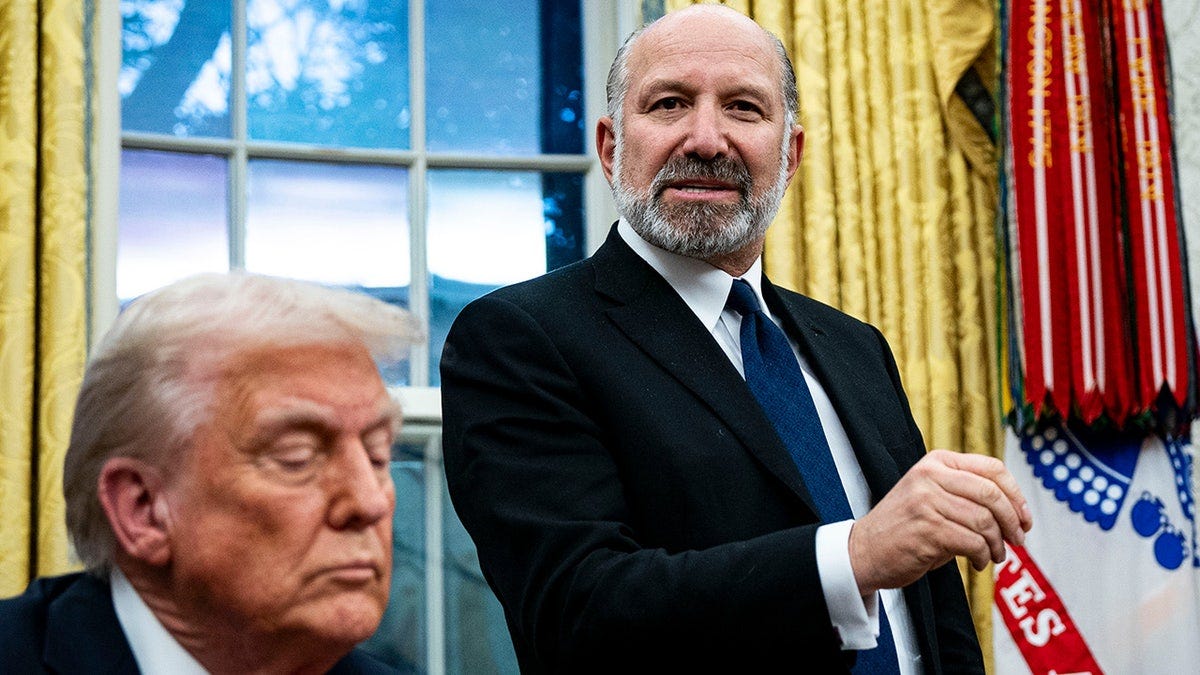
Trump insists he only learned about it recently and did not know before his Beijing trip. He told reporters Monday that Huang told him he had no idea she was a spy. He called Huang “a very honorable guy”. A Commerce spokesman said its export enforcement is done strictly by the book. Nvidia has said its regional cloud customers get ordinary business information, not national security secrets.
Lutnick has agreed to testify before the Senate Banking Committee on Dec. 10. Wyden and Neal have ordered Commerce to preserve every record on the chip deal. Huang is not charged with any crime, and he has denied knowing Alice Huang was a spy.
The Bottom Line
The Republican president was reportedly told an American tech giant’s CEO was compromised by Chinese intelligence. Then he cleared that company to sell powerful AI chips to China, took a 25% cut, after his pet projects collected $26 million in Nvidia pledges. Republicans call themselves tough on China. Their president sold the store.
Sources: NBC News (Rob Wile, Steve Kopack, Brian Cheung; Kyla Guilfoil), CNBC, TechCrunch (Julie Bort), The New York Times, Axios and The Washington Post via CNBC/Anadolu, Anadolu Agency, Wyden/Neal letter to Commerce (Nov. 12, 2026).